Inside the Tools of Filmmaking
We work with a range of cameras to meet the needs of different productions, choosing equipment to suit each project’s creative and technical requirements.
The Sony Cinema Line FX6 is one of the cameras we use. This full-frame 4K digital cinema camera is trusted by filmmakers across the industry for documentary films, branded content, and a wide range of other productions. Rotate the camera, examine its components, and explore the technology and controls that help bring a shot to life.
Lens
Focal Length
Wide lenses capture more of a scene, while longer focal lengths frame tighter shots and make backgrounds appear more compressed. Slide to explore how focal length changes the framing of a shot.
- Focal length
- 18 mm
- Field of view
- 90°
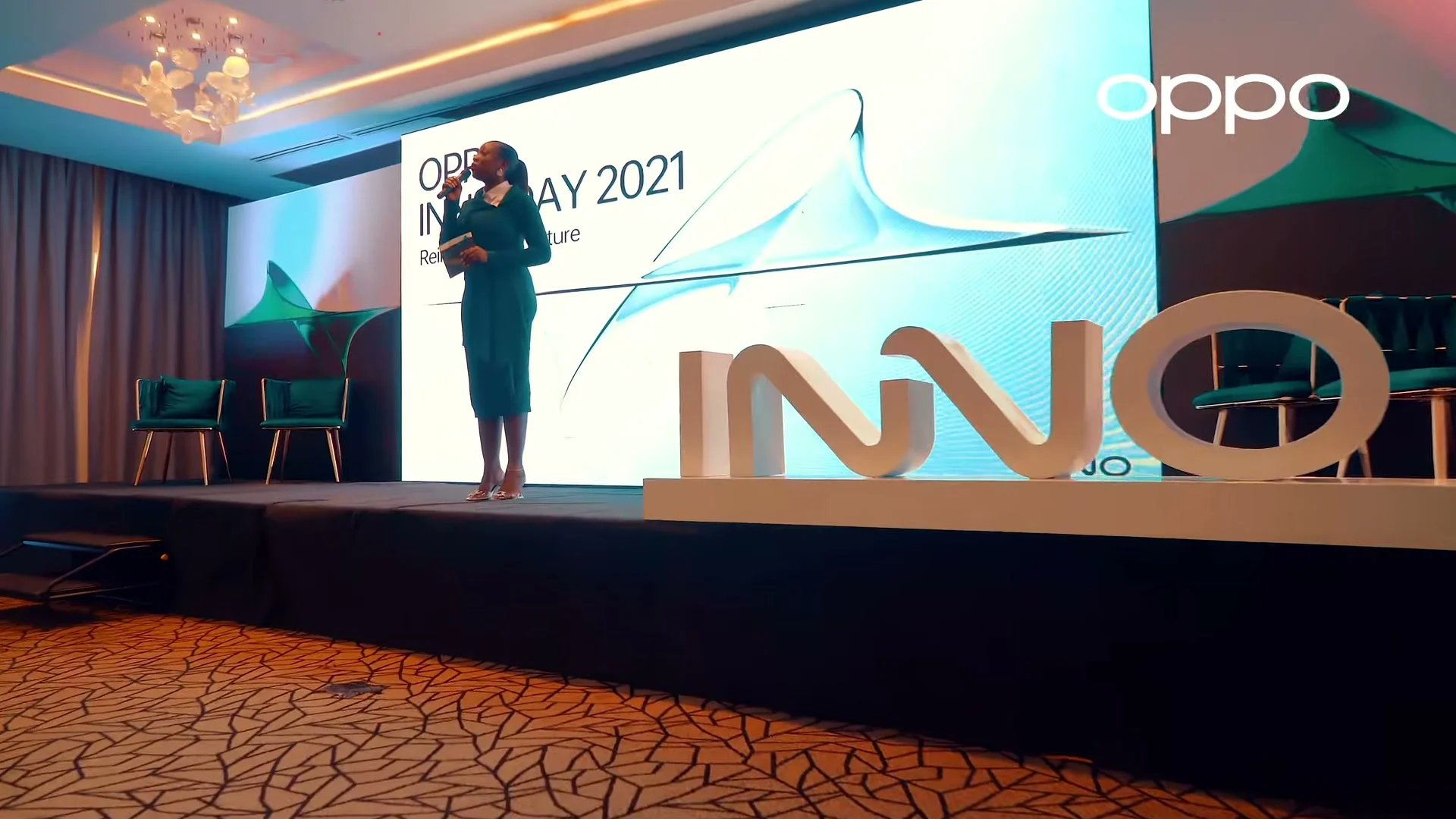
Establishing shot: The full stage and surrounding room.
Iris
Aperture
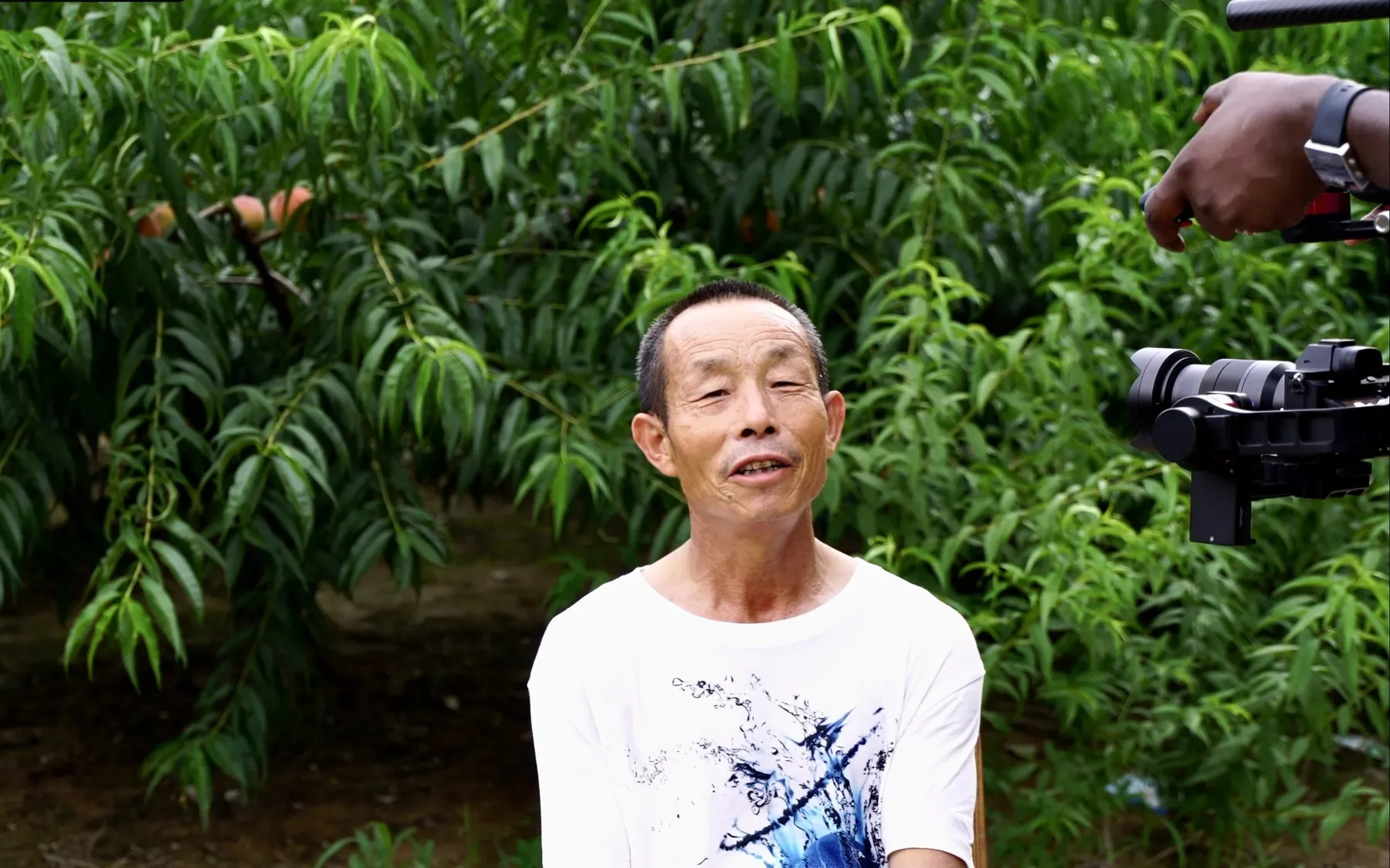
Opening the iris lets in more light and softens the background, drawing attention to the subject. Closing it brings more of the scene into focus.
T2.8 — Shallow depth of fieldThe subject stays prominent, with the background gently out of focus. A classic interview look.
Motion
Frame rate
Film is typically shot at 24 or 25 frames per second for natural motion. Shoot at 125 fps and play it back at 25 fps, and movement unfolds five times slower, revealing details that pass in real time.
Sound
Sound you don’t notice
Viewers may forgive a soft shot, but poor audio can distract from the story. We capture each voice on a separate channel, then mix and balance the sound in post-production.
Listen to a short audio excerpt from one of our productions.
